Tag Archives: metal

Gojira – The Way of All Flesh [Review]

The Way of All Flesh is the fourth full-length album from French band Gojira. Set to release October 13th in Europe, and October 14 in the United States. This is their second release on world-wide label Prosthetic Records, the third with French label Listenable.

Gojira the Way of All Flesh

First of all, I just want to say that this is a band that does not get the recognition it deserves. I really hope that this album will serve to change that.

The Way of All Flesh seems to have picked up right where From Mars to Sirius left off, almost literally (specifically note the guitar in the opening part of “Oroborus” and the end of “Global Warming”. This is most definitely a good thing, because From Mars to Sirius was one serious progressive death metal album. From their first album on, this band has gotten noticeably better. With From Mars to Sirius being one of my favorite albums as of late, I was very excited to put this one on.

In terms of the album’s structure, there are no problems. I would not say it is a strength either. Interestingly enough, the album’s first single does not appear in the first 3/4 of the album. It is in fact the third to last track, which is something I have not personally encountered very often. The single is an interesting choice, in my mind, however. It is very much unlike most of their music, whereas a lot of their other stuff was very quick-paced, and involved a lot of speed, half of “Vacuity” is slow, and pulsing – then moves to some familiar stuff – then changes to unfamiliar territory once again. A great track all in all, but a surprising choice and placement on the album.

The two main strengths of this album are it’s consistency and strength of the individual songs. Excluding “The Way of All Flesh”, “A Sight to Behold”, and “The Silver Cord” any of the tracks on this album would have made a solid single. The non-single-worthy tracks, however, are almost essential to the album itself. Each provides a fair change of pace, and a break of the monotony that Gojira can become.

The fact that each song on the album is quite distinct is what separates it from From Mars to Sirius, which could really be the only real difference (aside from the obvious fact that the songs are not exactly the same). On From Mars to Sirius all of the songs sort of blended together after a few listens, whereas this is not the case on The Way of All Flesh.

On a more technical note, the production quality of this album is absolutely perfect. The mixes range quite differently at times, sometimes being guitar heavy such as the track “The Art of Dying” but are also very balance at times, such as the track “Esoteric Surgery”. The one thing I noticed that I really like, though some others may dislike, is the volume of the snare drum and toms. I liked the fact that they were fairly loud in the mix for almost the entire album. They have such a bright, crisp sound that adds a lot to the songs that have such a dark sound. The best example I noticed of this is in the track “Yama’s Messengers” where each snare hit is very clear and obvious in the mix, bringing attention from the constant grind of the guitar and bass drum parts.

With a fresh batch of brutal songs, Gojira has put together a very strong fourth release, and in my opinion their best to date (inches out From Mars to Sirius by a nose). While staying in-character and using slow triplets and grinding guitar sections, they have added a few small dimensions to the mix that only help make the listener appreciate the things that make up what Gojira are known for. Where the band goes from here in unknown to me, but I can almost say for certain that it will be good.

Overall score: 9/10 devil horns
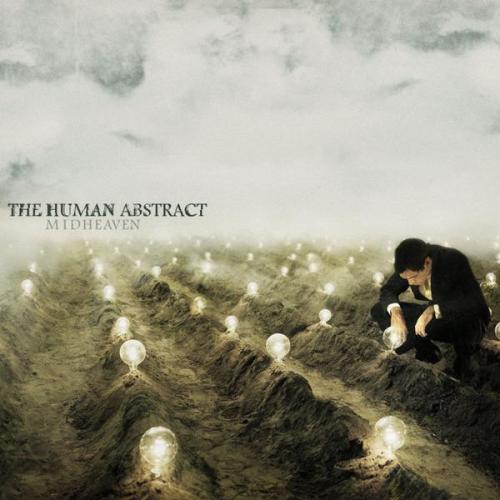
Midheaven – The Human Abstract [Review]

Midheaven is the second full album from L.A. Based band The Human Abstract. The band released the album August 19 on Hopeless Records.

The Human Abstract Midheaven

To be quite honest, I had never really heard of this band until a friend suggested I review the album after I asked for suggestion.

I got the album, and feel entirely indifferent about it. The Human Abstract simply try to do too much with this album. The line between too much and not enough is a very fine one, and these guys simply disregarded that there was a line to being with. They decided when writing this that it would be a concept album, and when founding member and guitarist A.J. Minette left, things changed entirely.

Now to get down to business. The vocals on this album are absolutely incredible at times, but utter rubbish at others. The opening track of the album (“A Violent Strike”), being by far the best track in my opinion, most clearly shows the great capabilities of Nathan Ells. Sadly, however, this is the only track where he lets loose on the vocals. “Procession of the Fates” is similar in it’s vocal soundscape, but is quite clear that he pulls the reigns in from what he is capable of.

The guitar work. Oh, where to begin with this. I’ll say this first: never have I heard a more stereotypically erratic and mediocre sound. I could swear that I have heard everything on this album a million times before, and most times in a better way. Sure, they’re fast, who isn’t these days? Oh, sweeps? Everyone can do it, and most people do. If you want to become truly progressive, stop picking bits and pieces from stuff you have heard in rock and metal before, and find influence elsewhere. Now, normally I will not criticize a band for doing something that is not “new and exciting” but I will not hesitate to criticize a progressive band for not being “new and exciting”. The whole idea of being progressive is to push the boundaries, and really have your own unique style, this normally including something entirely new/different. All this album does is smash every different style they have been influenced end-to-end, and in a choppy way at that.

The real strength of this album is it’s ability to appear to a wide range of emotions and people with different tastes. As a person who enjoys a wide range of musical styles, I could appreciate the small things that work well in this album, such as the keyboard parts in “Metanoia”. The soundscape of this album really is impressive, and a bit too much at times. As with many avant-garde, progressive, and mathcore albums the skill of the musicians feels forced all too often. With the mathcore nature of the guitar parts that are used throughout the album this is almost inevitable, with mathcore being the fickle beast that it is.

All in all, I enjoyed the album because of the fronts it was able to deliver on, but it simply is not that good. Mediocre at best.

Track picks: “A Violent Strike” and “This World A Tomb”

Overall Score: 5/10 Devil horns

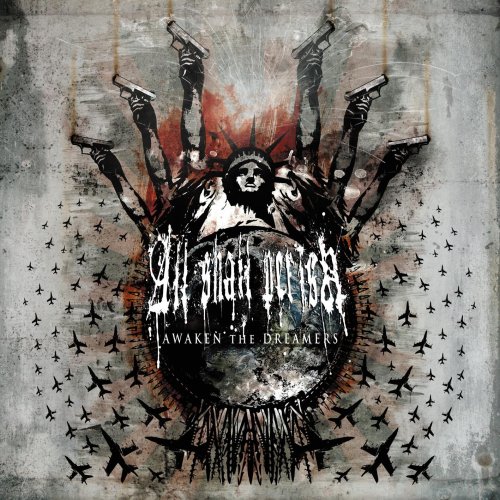
All Shall Perish – Awaken The Dreamers [Review]

Awaken The Dreamers is the third studio release from All Shall Perish, a Deathcore band on Nuclear Blast records, hailing from Oakland, CA. The album’s release date was September 16, 2008.

All Shall Perish Awaken The Dreams

I didn’t really know what to expect coming into this album. The two previous All Shall Perish albums, Hate.Malice.Revenge and The Price of Existence, were straight up deathcore albums. I went to their myspace to check out the new tracks a while ago, and these were not ordinary deathcore tracks. They felt like a mix between All Shall Perish, Necrophagist, and Between The Buried and Me. There were some crazy riffs, a few crazy bass and guitar fills, and a whole bunch of other stuff that did not play a large part in their previous efforts. Upon listening to the whole album, only then did I realize that All Shall Perish really are trying to redefine their sound an image, and break down some walls – with force.

The first track on the album is a prefect example of what I am referring to. “When Life Meant More…” is backed to the brim and overflowing with new intensity that sounds very similar to that of Necrophagist or Between the Buried and Me. The technical shredding happens while the heavy parts lie underneath, and the song does not lose touch with what it’s supposed to be – brutal. It’s still got all the staggering rhythms and growling vocals, with little extra kick.

From there, the song becomes increasingly varied, some ranging more towards the old All Shall Perish, and some that stray away from the mold even further. The next song on the album, “Black Gold Reign” moves from the BTBAM and Necrophagist sort of sound to a more As I Lay Dying and In Flames sound. At about 1:50 in, there is even a power metal wail, which REALLY caught me off guard, but seemed very necessary. There is even an airy interlude for a few seconds, which would have never happened on other All Shall Perish albums.

But, enough comparison. This album really delivers in it’s own way. As much as certain parts of the album sound like someone else, it’s never enough to really give it much thought. Combing a huge amount of styles, they bring it all together in a neat little package. Quite little, at that: the album is only 36 minutes long.

The album does not pass as though it is only 36 minutes long, however. There are so many different things that happen throughout the album that it feels like it should exceed 50 minutes. The songs fit so perfectly together, and seem very lengthy at times toward the end of the album when the more airy drawn-out sections become more prevalent, and Story/Orem get into solo mode. All in all, this album is filled with very tastefully technical musicianship, something that really is under-appreciated in many cases. The sweeps, the weeping solos, the shredding, the chugging, it’s all used tastefully in almost all cases. On the opening track, there is a very significant amount of shredding, but is is lower in volume than the rhythm guitar, which is almost unheard of.

The vocals are also very well done on this album. They’re a good as ever and about the same as always; a couple instances where Hermida switches it up a bit when he adds in the power wail (and sometimes goes other directions with it) adds a small amount more dynamic than before. Also, Hermida’s enunciation is completely flawless. There are too many instances where a vocalist will forego enunciation for a lower or faster growl, but Hermida is completely uncompromising. The same goes for the bass and the drums – nothing new or overly exciting, aside from the fact that the production quality has been improved on these for this album (this is not to say they are not impressing, they just haven’t changed from the last two All Shall Perish Albums).

I thought long and hard about what I wanted to give this album for a score, and I really still rest undecided about it. Part of me wants to give this album a 9.5/10, but something seems wrong about that, but I can’t quite put my finger on it.

Track picks: “When Life Meant More” and “Awaken The Dreamers”

Overall score: 9.5/10 devil horns
Since I can’t think of any good reason not to give it this score other than the length of the album, I’ll go with my gut feeling. I strongly considered a ten, but with it’s “Colors” by BTBAM nature, it simply does not live up to that, which is a ten in my book.

Into Eternity – The Incurable Tragedy [Review]

The Incurable Tragedy is the fifth studio release from Canadian Progressive/Power/Melodic death metal band Into Eternity. The release dates are: August 20 in Europe and September 2 in the US/Canada.

Into Eternity the Incurable Tragedy

At 38 minutes and 52 seconds, being 12 songs long, one could not call this a long album by any stretch of the imagination (granted, it still beats punk and grindcore albums in length). The thing is, this album doesn’t need to feel longer. It has so much going on within it, 39 minutes is plenty.

First off, I want to discuss that this is another one of those “theme albums” that you have heard so much about. I must admit, I have a soft spot for theme albums, but I am always quite skeptical. Most theme albums turn out to be boing, cheesy, cliche, etc. There are but few theme albums that turn out great [Leviathan by Mastodon is a shining example of this, themed after Moby Dick]. Into Eternity’s newest album really is none of these. It is tough to think of a metal album as a theme album if it’s theme is death, disease, etc. as this album’s theme is supposed to be. Quoting an interview with blabbermouth.net, “The incurable Tragedy was inspired by the deaths of [Tim] Roth’s two best friends, brothers who succumbed to cancer within two months of one another.” While I am not trying to take away anything from the fact that this indeed is a theme album, it would really not be too far-fetched to say that this deals with pretty normal subject matter for the genre they are in.

The second thing to address, and easily the most noticeable, is the incredible musicianship on this album. As always, Into Eternity delivers on all fronts as far as performance goes. All those long years (about 11 years now) of constant touring has really paid off in this department for the band. Each performance only gets better. Roth’s guitar work is above and beyond, and the vocals, as always, are enormous. Arguably the best vocals in the business are found in Into Eternity’s music (check out Stu Block’s wail, and tell me it doesn’t blow you away – you won’t, unless you’re lying of course). The new addition to the overwhelming musicianship are the interludes found on this album that were in very short supply on previous efforts, these interludes being the “Incurable Tragedy” series. THese are very ballad-like songs that follow the same general melody, then the weepy guitar chimes in, followed by the big vocals. These interludes are the emotion that this album needs to keep the “theme” in tact. Overall, the instrumentation is over the top and out of control in most cases. They tug on the reigns here and there just a little to keep the whole thing from just plain running away from them.

The biggest weakness of this album is quite easily it’s lack of originality. As I have discussed in previous reviews, this can be a double-edged sword. It helps some bands while it hurts others [sellout v. classic, losing fame v. evolving/improving]. In this case, it hurts the album a little bit, because the sound that Into Eternity has always had is not very cohesive, and changed pace quite often, with the pieces of each song jutting out. Trying to put together anything with this band is like having only square blocks to put into only round holes. Because they have so many influences, and play in so many styles, it gets to be a little much at times, and the dramatic and fast switch of styles and sound certainly adds to the fact. I happen to enjoy what it is they do, but it is a point in which deserves heavy criticism and notice. It is very much a love/hate point of discussion.

Because of this style, it is really tough to create a very cohesive album with your less-than-cohesive songs. Think of it in the way that grindcore is. Grindcore is typically all songs built section by section, with no real chorus or repeated sections, just stacking riffs and breakdowns end to end until it is a series of stuff that the band thinks sounds good. In a less extreme way, that is what Into Eternity’s sound is like. Because of this, the first couple of listens are sort of tough until you get used to what is going on, but then it quickly grows on you. The first instance in which I heard Into Eternity, I simply had no words to describe what I had just experience, none good nor bad – I was utterly speechless and confounded, sonically and aurally assaulted. THe more I listened, though, the more I love it.

All in all, the album is great at what it is good at, and awful at what it is not good at – typical over-the-top album style.

Track picks: “Diagnosis Terminal” and “Prelude to Woe”

Overall Score: 5/10 devil horns

I suggest you give it a listen just to experience the pure sonic power and diversity that this album brings to the table. Overall, it’s nothing spectacular, but does provide moments of excellence. It’s worth a listen for the absolutely bonkers melodic vocals, but little else.

Twilight of the Thunder God – Amon Amarth [Review]

Twilight of the Thunder God is the seventh studio album by Swedish Melodic Death Metal giants Amon Amarth (I like to categorize them as the ever-popular Viking Metal genre). The set release date is September 30 here in North America, but is released in Sweden/Finland first on September 17.

Amon Amarth Twilight of the Thunder God

First off, I want to tell you that when I saw the album artwork, it kicked my ass. Then, when I got around to listening to the album it kicked my ass even harder.

The first track on the album, the title track, sets the pace wonderfully. It’s the same Amon Amarth riff we’ve heard a thousand times now, but it gets better every time. The drums are in full form, lots of pounding, driving rhythms – perfect for headbanging and hair-flailing. My neck still sort of hurts from rocking out too this song too hard. The thing is, the album does not get any worse from here on out. Most albums around these days (or what seems like it anyway) usually start off strong, then the tracks get a little weaker toward then end [e.g. All That Remains’ The Fall of Ideals – I loved the album, but the second half was lacking in comparison to the opening six tracks]. This album brutalizes you from start to finish. When it’s not brutalizing you, it’s making you feel like you want to wage war with something, or conquer some far off land – inspiring you for the next moment when it kicks in your face some more.

So, when hearing this album, the thought ‘Wow, this is just like every other Amon Amarth album!’ might very well pop into your head. Well, no one can fault you for that. They really haven’t changed their game for a long time, but why the hell would they need to? When you are this awesome, there is no point in changing. Instead, they took the Motörhead, AC/DC, etc. approach and just got really ridiculously good at what they do, and I think them for that. Each album of their last few releases has been better every time.

As far as the album production goes, it falls right in line with With Oden on Our Side, having a very unique, deep sound without being too muddy (slightly deeper this time around, though, and lsightly less booming/bass heavy). It is a little “distant” sounding, but I am almost positive it was meant that way. It gives a great feel to the album. Nothing is mixed to take command over anything, it’s not overly bass-heavy, or light and fluffy. The drums sound especially good on this album. By now, I think it would be fair to say that they really own their own sound, one in which provides great timbre to set the mood for the lyrics along with the pounding music that lies under the vocals. It is always an amazing feat to have as much going on in the same general tone range without having anything become buried.

After a few listens through, the only thing I can find about this album that is not near-perfect would be the fact that is does not stray too far at all from the Amon Amarth “thing”. Not a problem, but not a strength. People will argue either way, and I am pulling for an “Objection your honor, irrelevant” plea. No one would dare criticize the aforementioned bands for not changing their model, why point the finger at Amon Amarth? No one really praises the aforementioned bands for not changing, other than the “stayed true to their roots” ideal, which is neither here nor there.

An interesting fact about this album is that it is the first to feature guest musicians. The tracks “Twilight of the Thunder God”, “Guardians of Asgaard” and “Live For the Kill” all feature guest musicians. Before doing a small amount of research, I found out about the first two, since they are not very obvious. When I heard “Live For the Kill” however, I really assumed it was Apocalyptica, since they pretty much are the guest musicians for most metal tracks featuring cellos. It is a damn good thing, too. Those boys in Apocalyptica know their way around a cello, and in quite stellar metal fashion as well.

All in all, Twilight of the Thunder God is not much different than anything Amon Amarth has ever done, sans working with guest musicians, but it is simply better. Like an artisan honing their craft, they will only get better with time and practice.

Track picks: “Tattered Banners and Bloody Flags” and “Live for the Kill”

Overall score: 10/10 devil Horns

Throwdown – Venom & Tears [Review]

Venom & Tears is the fifth full-length release from California metal band Throwdown. The album was released August 7, 2007.

Throwndown Venom and Tears

Funny story about the album artwork, when they released the CD, all the booklets had two small holes punched where you see the bite marks on the girl’s neck. In fact, every other page in the booklet has a picture with bite marks, each of which lines up with the holes. Sure, it’s gimmicky, but it’s fresh, and I for one happen to like it.

Now, onto the actual album. I am very hesitant to say this, but when people say this album sounds like something from Pantera, they’re right. It’s take straight out of Dimebag, Phil, and the gang’s playbook. Obviously, it’ not as good as most of the Pantera stuff that people know, but it is better than their old, lesser known stuff.

The album begins with the first single from the album, “Holy Roller” wish starts of with a fast, brutal thrash guitar part, something straight out of the 80’s, then you hear the first glimpse of the “Pantera sound” from the guys. The vocals are spot on for a Phil Anselmo vocal track. sans the incredible wailing that Phil could once do (sadly, he is now incapable of such awesomeness). The problem I have with the track, though, is the TERRIBLE mastering that was done to it. Directly from the CD it has avery muddy, bass-heavy sound.The one song that seemed to be the exception of poor mixing, however, was “I, Suicide”. It was still very bass-heavy, but not muddy. The highs from the symbols were very crisp, unlike all the other songs, as was the vocals. It was quite refreshing, pairing that with the fun use of stereo on the track. During the chorus, the lyrics are “I, suicide” and each word is on a different channel (and track, for added effect). VERY cool.

Anyway, the mixing seemed to be a pretty consistent problem throughout the album, although it was at it’s worst during “Holy Roller”. The latter half of the album has considerably better mastering, but it is still quite bad compared to anything reasonable. The other qualities of the sound are pretty good, though. The guitar and vocals especially. The timbres work very well together, and sound very brutal and brash – just right for a thrash metal album.

The songwriting on this album is quite, shall I say, formulaic? There are no songs that really deviate from they typical thrash metal song style: raw riffage, pounding rhythms, growling verses, powerful choruses, and some solos here and there when appropriate. This is not a problem, however. True thrash metal albums these days a few and far between.

To be honest, I really didn’t want to like this album. It sounded like crap from the beginning, and just pissed me off. Then a thought occurred ‘Wow, this album really did it’s job.’ It’s fast, it’s angry, it’s brutal, it’s balls to the wall, it’s in your face, it’s [insert metal cliché here], etc. I was once told something that is very much in effect for this album: “The closer something comes to perfection, the more glaringly obvious it’s imperfections become.” I can’t remember where I heard it, but it’s true. There are so many things that this album does right, it’s really obvious where it went wrong.

Track picks: “Holy Roller” and “Godspeed”

Overall score: 8/10 devil horns

Iced Earth – The Crucible of Man: Something Wicked Part II [Review]

Set to come out on September 5, The Crucible of Man: Something Wicked Part II is the tenth studio album from Iced Earth, this one being the second in the “Something Wicked” series (it’s the second and final installment).

Iced Earth Crucible of Man

Anyway, I listened to the CD through once, and felt incredibly indifferent about it. I feel that mostly this is because the first album I had heard from Iced Earth was Framing Armageddon: Something Wicked Part 1, and the vocals on that album were gargantuan, for lack of a better word describing the incredible size of the vocals on that album. Granted, the vocals on Crucible of Man are not bad by any means, they simply do not live up to Framing Armageddon with Tim Owens (they now have ex-vocalist Matt Barlow back on board for this album) [See example: “Crucify the King”]. On a second listen, I noticed all the other areas in which the album had been altered from part 1.

In true power metal fashion, this album has balls. Sometimes they’re to the wall, and sometimes they’re nowhere to be found, but you know they’re there. [See example: “Gift or a Curse”] This is your typical power metal ballad type song, one with no fancy pounding rhythms or big vocals, but still manages to have some pretty big cohones for being a ballad (granted, I can’t see it’s balls, but they’ve got to be around here somewhere!).

The lyrics are as well typical power metal lyrics: absurd, epic, and phantasmal. The subject of all the lyrics are of grandiose adventures, oppression of a people that doesn’t exist, and of course, lots of conquering. This in conjunction with the fact that the album flows from end to end quite well, even though you can tell that each song is a separate song works very well for a theme album. In the ‘theme’ aspect, this album is near-perfect.

All in all, the musical performance is far superior in Crucible of Man than it has ever been. The guitar work, the drum work, and the new bassist all put in a very solid performance. Not too much, but still over the top. Not boring, but serene at times. The ebb and flow of music really works, which is all brought in by the aforementioned Matt Barlow vocals. It may be a typical album in nature, but is executed in very good fashion.

Track picks: “Harbinger of Fate” and “Divide and Devour”

Overall score: 8/10 devil horns